Faith, Voice, and Legacy: Biblical Reflections for Black History Month

Black History Month is a time for us to pause…not only to remember the past, but to reflect on our faith and the power of our voice. It’s a time to honor the resilience, courage, and spiritual strength that has carried generations of African Americans forward even in the face of hardship.
When we take a close look at the Black experience, we can see that it mirrors many of the stories found in the Scriptures. The Bible is filled with stories of people who endured injustice, waited through difficult seasons, and still rose to influence history through faith and obedience. These stories remind us that God has always worked through voices that were once overlooked, underestimated, or silenced.
As we take time to reflect during this month of February, we’re reminded that influence does not require us to have status, it requires courage. Our voice does matter, and how we choose to use it can shape the lives of others.
In honor of Black History Month, I want to highlight some of the biblical stories, stories that many of us know, but I also want to show how throughout Black history we have faced similar crossroads.
Courage to Speak: Esther
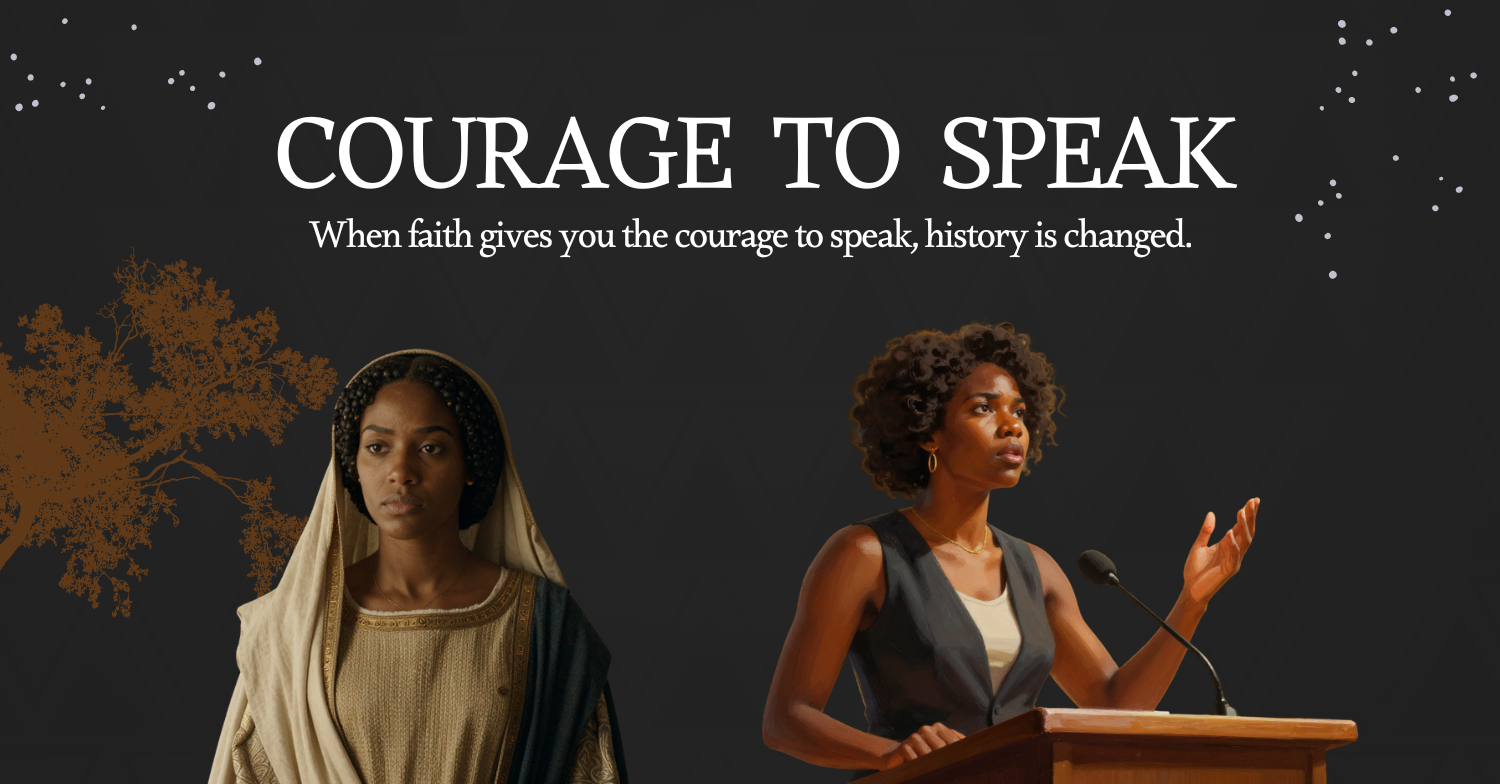
The story of Esther reveals bravery, identity, and divine timing. She lived in a system that was not designed for her protection, but God placed her in a strategic position. Her people were in danger and Esther faced a defining moment…she could either remain silent and stay safe or speak up and risk everything. Her uncle urged her to intervene with the King, to save the Jewish people from genocide. Esther 4:14 says “Who knows whether you have come to the kingdom for such a time as this?”
Throughout Black history, there have been many crossroads. Silence not only felt safer, but was safer, yet we know that sometimes progress requires courage. Change comes because someone chooses to speak when the cost is high and the fear is real.
We learn from this story that our voice is'nt accidental. God places us in specific moments, families, workplaces, and communities for a purpose. Our influence may begin with the brave decision to stand and speak.
Having Purpose Through Injustice and Waiting: Joseph
Joseph experienced betrayal, false accusations, and long seasons of waiting. Mistreated by his brothers, imprisoned unjustly, and forgotten by the ones that promised to help him. But God was working behind the scenes. It shows us that any suffering we may have does not cancel our destiny.
Joseph’s story, found in Genesis 37-50, is like the Black experience and the theme of endurance. Systems aren’t always fair and as we navigate them, we have to be faithful. Generations have gone through hardships while holding onto hope, prayer, and their dignity.
Joseph’s story shows us that there is injustice and life sometimes feels unfair, but God can still bring restoration. Influence doesn’t always require a platform…it begins with our integrity and faithfulness even when no one is watching.
Speaking Truth in Uncomfortable Places: The Prophets
We know in scripture that there were many prophets who were called to speak the truth. They spoke to individuals, as well as entire systems. Prophets like Amos, Isaiah, and Micah boldly addressed injustice, oppression, and hypocrisy. Of course, their messages were not popular, but they were necessary.
They were called to remind God’s people that without justice, their worship was incomplete.
Throughout the Black experience, history shows that there were many voices that came forward because of their conviction. Many times, speaking truth comes with resistance, criticism, and sacrifice…but, silence will never produce transformation.
These prophets show us that faith is active. Having compassion and using our voice for justice is part of our spiritual responsibility. God still calls us to speak, even when it’s difficult.
Strength, Endurance, and Hope: Paul’s Letters
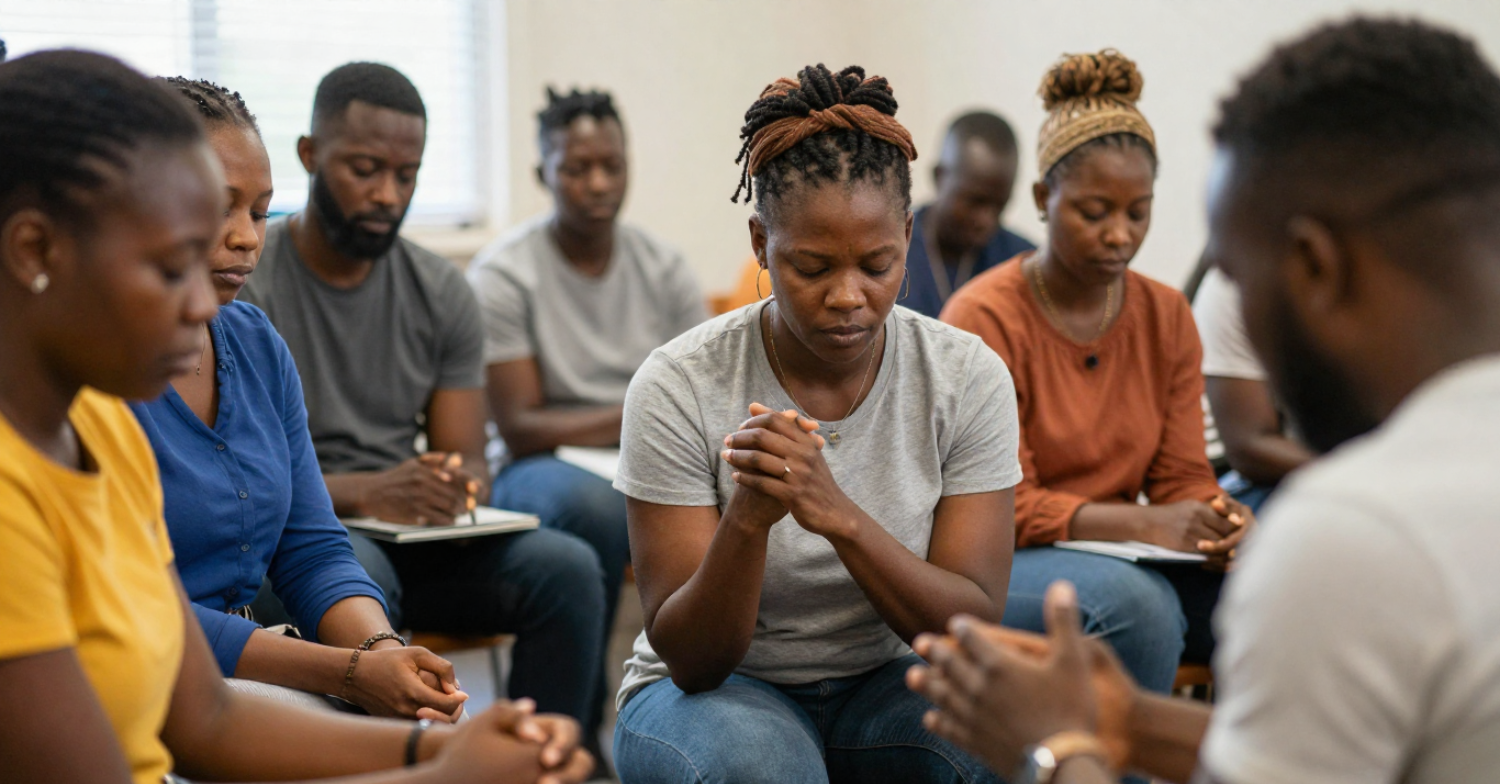
In the New Testament, Paul wrote letters to encourage believers who were facing persecution and hardship. He reminded them that suffering was not the end of their story, and he let them know that hope could exist even in difficult circumstances.
For many of us in the Black community, the Scripture has served the same purpose; it has helped people survive many difficulties. We find comfort in the Word, we’re able to endure, and we have a reason to keep going even when things feel overwhelming.
Paul’s letters show us that encouragement is also influence. When we uplift, mentor, pray, and affirm others, we strengthen them to continue forward.
Using Our Voice Today
Black History Month reminds us that history is shaped not just by famous names, but also by individuals who choose courage over comfort. Our voices may look a lot different today, our voices may show up through teaching, mentoring, advocacy, creativity, leadership, or quiet consistency.
All our voices matter.
God still calls on us to be an influence in our homes, churches, workplaces, and communities. Having influence doesn’t mean that we have to have a microphone, sometimes it just requires our obedience.
A Legacy of Faith and Courage

The stories of Scripture and the stories of Black history cross in powerful ways. Both remind us that God uses ordinary people to do extraordinary things. Faith drives courage and courage shapes legacy.
In honoring Black History Month this year, let’s reflect on where we’ve been, and how we’ll move forward. In trying times, we pray for wisdom and hopefully we’ll walk with purpose, trusting that God can use our voice to be an influence…in times like this.

-
Location